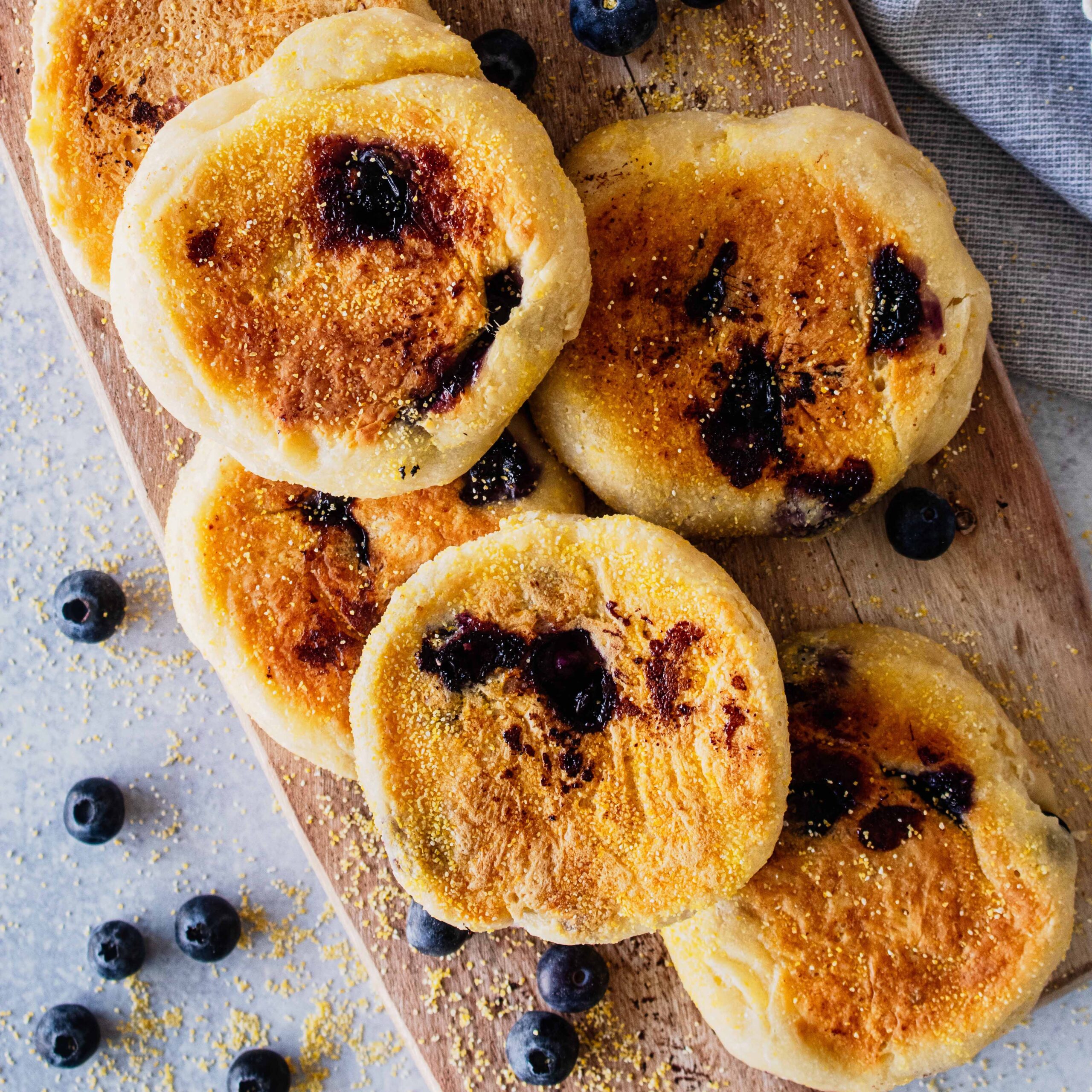
Unlock the Secret to Unforgettable Mornings: Homemade Blueberry English Muffins
Imagine waking up to the aroma of freshly baked bread, specifically warm, fluffy English muffins studded with juicy blueberries. Forget the bland, sometimes rubbery, store-bought versions you’ve grown accustomed to. Making homemade blueberry English muffins is not only surprisingly easy but also incredibly rewarding, transforming your breakfast routine into a gourmet experience. Once you taste these light, airy, and utterly delicious creations, you'll wonder why you ever settled for anything less.
Our comprehensive guide will walk you through crafting these culinary delights, ensuring you achieve that perfect balance of a tender interior, a subtly crisp exterior, and those coveted nooks and crannies that are ideal for soaking up butter, jam, or the rich flavors of a breakfast sandwich. Get ready to elevate your breakfast game!
The Undeniable Magic of Homemade Blueberry English Muffins
What makes homemade blueberry English muffins so superior to their supermarket counterparts? It boils down to a few key factors:
- Unrivaled Freshness: There’s simply no comparison to bread made fresh at home. You control every ingredient, ensuring peak flavor and quality without any questionable preservatives or artificial additives.
- Superior Texture: The hallmark of a truly great English muffin is its unique texture – a slightly chewy crust giving way to an incredibly soft, airy interior. This distinct texture is punctuated by "nooks and crannies," tiny pockets that perfectly trap melted butter, jam, or the delicious fillings of your favorite breakfast sandwich. Homemade versions develop these much more effectively than mass-produced ones.
- Customizable Flavor: With this recipe, you dictate the sweetness. Using maple syrup or honey offers a subtle sweetness that beautifully complements the blueberries, making them versatile enough for savory applications. If you prefer a sweeter treat, a touch of brown sugar can be easily added to the dough.
- Generous Portions: This recipe typically yields around eight jumbo-sized muffins, significantly thicker and more satisfying than anything you'll find pre-packaged. Their substantial size makes them ideal for building hearty breakfast sandwiches.
Each bite offers a burst of sweet-tart blueberry flavor, a delightful contrast to the warm, yeasty bread. It’s a sensory experience that store-bought simply cannot replicate.
Crafting Your Perfect Dough: Key Steps for Fluffy Muffins
The foundation of exceptional blueberry English muffins lies in a well-made dough. Don't be intimidated; the process uses simple ingredients and straightforward steps.
Ingredients You'll Need
You’ll likely have most of these on hand:
- All-Purpose Flour: The primary structure. Some bakers prefer bread flour for a chewier texture due to higher protein content, but AP flour works beautifully for a tender crumb.
- Active Dry Yeast: The leavening agent responsible for that incredible rise and airy texture.
- Warm Water or Milk: Activates the yeast. Ensure it's warm (around 105-115°F / 40-46°C), not hot, as too much heat will kill the yeast.
- Sweetener: A touch of maple syrup or honey provides a subtle sweetness and helps activate the yeast.
- Salt: Balances flavors and strengthens the gluten structure.
- Butter or Oil: Adds richness and moisture to the dough.
- Blueberries: Fresh or frozen work equally well. If using frozen, there's no need to thaw them; simply toss them in straight from the freezer.
- Cornmeal (Optional): Essential for the traditional skillet method, giving the muffins a characteristic crisp crust.
The Crucial Step: Activating Your Yeast
This is arguably the most important step for ensuring fluffy English muffins. In a bowl, combine your warm water (or milk) with a pinch of sugar and the yeast. Stir gently and let it sit for about 5-10 minutes. What you're looking for is a thick, foamy, and bubbly layer on top of the liquid. This tells you your yeast is alive and ready to work its magic. If your yeast doesn't foam, it's best to start over with fresh yeast and ensuring your water temperature is correct; inactive yeast will result in dense, heavy muffins.
Kneading and the First Rise
Once your yeast is active, combine it with the rest of your dough ingredients (excluding blueberries) and mix until a shaggy dough forms. Turn it out onto a lightly floured surface and knead for 5-7 minutes until it's smooth and elastic. The kneading process develops the gluten, which is crucial for trapping air and creating those wonderful nooks and crannies.
Place the dough in a lightly oiled bowl, cover it with plastic wrap, and let it rise in a warm spot until it doubles in size. This usually takes about 1 to 1.5 hours, but can vary depending on your kitchen's temperature. A sunny window, near a heater, or even on top of a running dryer are all great spots to encourage a good rise. A successful first rise is your strongest indicator that your muffins will bake up beautifully light and airy.
Before the final shaping, gently fold in your blueberries. Be careful not to overmix, as this can crush the berries and stain your dough too much. If your dough feels a little too wet after adding the berries (some blueberries release more juice than others), add a tablespoon or two of flour at a time until it's more manageable.
Baked vs. Skillet: Choosing Your English Muffin Method
When it comes to cooking blueberry English muffins, there are two primary methods, each offering distinct advantages. Both will yield delicious results, but they cater to different preferences and levels of involvement. For a deeper dive into the nuances of each, be sure to read our detailed comparison: Perfect Blueberry English Muffins: Baked vs. Skillet Methods Revealed.
The Traditional Skillet-Then-Oven Method
This method is favored by purists for achieving that classic, slightly crisped exterior. After your dough has risen and been cut into rounds, you'll typically:
- Coat in Cornmeal: Dip both sides of your muffin rounds in cornmeal. This is what gives traditional English muffins their characteristic texture and prevents sticking.
- Pan-Fry: Cook the muffins on a hot, dry skillet or griddle over medium heat for several minutes per side, until they are golden brown and have developed a crust.
- Finish in the Oven: Because these homemade muffins are often quite thick and fluffy, finishing them in a preheated oven (typically around 10 minutes at 350-375°F / 175-190°C) ensures they are thoroughly cooked all the way through without burning the exterior. This step is crucial for thick muffins to prevent a doughy center.
This method offers a more rustic texture and a chewier crust, embodying the classic English muffin experience.
The Easy All-Baked Method
For those seeking convenience without compromising on flavor and fluffiness, the all-baked method is a fantastic choice. As highlighted in the reference context, many find this approach simpler and more consistent:
- Shape and Rise: After the first rise, roll out your dough and cut it into uniform rounds. Let them rest for a second, shorter rise on a prepared baking sheet.
- Bake Directly: Place your muffin rounds directly into a preheated oven (often around 375°F / 190°C). Bake for about 16 minutes total, flipping them halfway through (e.g., 8 minutes on each side).
This method produces soft, golden, and consistently tender muffins with those delightful pockets of juicy blueberries. It eliminates the need for stovetop monitoring, making it a great option for busy mornings or batch baking.
From Dough to Delicious: Shaping, Cooking, and Troubleshooting
Shaping Your Muffins
After your dough has completed its first rise, gently punch it down and roll it out onto a lightly floured surface to about ½ to ¾ inch thickness. Use a biscuit cutter (or the rim of an upside-down glass) to cut out uniform rounds. Evenly shaped rounds are key for consistent baking. Gather any scraps, gently re-knead them once or twice, and cut out additional muffins.
Troubleshooting Common Issues
- Muffins Not Fluffy? This is often due to inactive yeast, insufficient rise time, or overworking the dough during kneading/shaping. Ensure your yeast is bubbly before use and give your dough adequate time in a warm spot to double in size.
- Dough Too Sticky or Dry? The moisture content of your dough can vary based on humidity, flour type, and even the juiciness of your blueberries. If it's too sticky, add a tablespoon of flour at a time; if too dry, add a teaspoon of water or milk.
- Blueberries Bursting Too Much? Gently folding the blueberries into the dough (rather than vigorous kneading) helps them stay intact. Using frozen blueberries can also help prevent excessive bursting during cooking.
Enjoying and Storing Your Homemade Blueberry English Muffins
Once your beautiful homemade blueberry English muffins are out of the oven, the real fun begins! Allow them to cool slightly before tearing them open with a fork to reveal those signature nooks and crannies. They are absolutely irresistible toasted and topped with:
- A generous pat of butter, melting into every crevice.
- Your favorite jam (raspberry jam is a fantastic pairing!).
- A drizzle of honey or maple syrup.
- Or, embrace their versatility by using them as the base for a savory breakfast sandwich with eggs, cheese, and bacon or sausage. Their not-overly-sweet profile makes them perfect for this.
Freezing for Later
One of the best features of homemade blueberry English muffins is how well they freeze, making them perfect for meal prep. Once completely cooled, slice them in half before freezing. This simple step makes them incredibly convenient to toast straight from frozen, without the hassle of trying to slice a frozen muffin. Simply pop the halves into your toaster or under the broiler, and you'll have a warm, fresh-tasting muffin in minutes.
For more detailed tips on preparing these muffins for future enjoyment, check out: Fluffy Blueberry English Muffins: Perfect for Freezing & Savory Sandwiches.
Conclusion
There's an unparalleled satisfaction in creating something truly delicious from scratch, and homemade blueberry English muffins are a prime example. From the simple ingredients to the rewarding process, and ultimately to the incredible taste and texture, these muffins are a game-changer for anyone looking to upgrade their breakfast. Say goodbye to mediocre store-bought options and hello to fluffy, flavorful, and perfectly crafted English muffins that are sure to become a cherished part of your culinary repertoire. Give this recipe a try; your taste buds will thank you!
